Off the Grid and On Top: How Underground Artists Built Empires the Labels Never Saw Coming
There's a version of the music industry story that gets told over and over: scrappy kid from nowhere gets discovered, signs a deal, blows up. Clean. Cinematic. Also increasingly fictional. The real story — the one that's been unfolding in private servers, encrypted channels, and invitation-only forums for the better part of two decades — is a lot messier, a lot more interesting, and honestly? A lot more lucrative for the people who figured it out early.
Welcome to HydraVault. Let's talk about how the underground built its own music economy.
The First Wave: Message Boards, Mixtapes, and Moving Units Off the Books
Before Spotify algorithms and TikTok virality, there was a different kind of network. Hip-hop producers in Atlanta and Chicago were passing hard drives at record shops. Noise artists in Brooklyn were running mailing lists through encrypted email chains. Electronic producers in Detroit were pressing limited vinyl runs and selling them through networks that existed entirely outside traditional retail.
The common thread wasn't genre — it was distrust. Distrust of labels, distrust of radio gatekeepers, distrust of anyone who wanted a cut without adding value. These early adopters weren't idealists. They were pragmatists who'd watched their peers sign deals and disappear into development hell.
Artists like Atmosphere and Eyedea & Abilities built the blueprint through Rhymesayers Entertainment, a Minneapolis-based collective that operated like a closed network long before the term "community-driven" became a marketing buzzword. They sold CDs out of vans. They cultivated mailing lists. They knew their fans by name — literally — because the fanbase was small enough that personal relationships were possible. That intimacy became infrastructure.
The Encrypted Era: Discord, Signal, and the Patron-Vault Model
Fast forward to the mid-2010s and the tools got sharper. Discord launched in 2015 as a gaming platform but got colonized almost immediately by music communities looking for something more controlled than Facebook groups and less chaotic than Reddit. Artists started running private servers — some with hundreds of members, some with thousands — where they dropped unreleased tracks, hosted listening sessions, and sold merchandise directly without a middleman taking 30%.
The economics here are worth spelling out. A mainstream artist with 500,000 Spotify monthly listeners might generate somewhere between $1,500 and $6,000 per month from streaming alone. An underground producer with a private community of 2,000 dedicated followers paying $10 a month for exclusive access? That's $20,000 monthly, recurring, with no label split and no algorithm determining their reach.
Producers like Shlohmo and artists operating in the lo-fi and experimental beat spaces pioneered this approach. They weren't chasing radio. They were building vaults — private, member-only ecosystems where scarcity drove value. Limited-run cassettes. Numbered downloads. One-time live streams that disappeared after 24 hours.
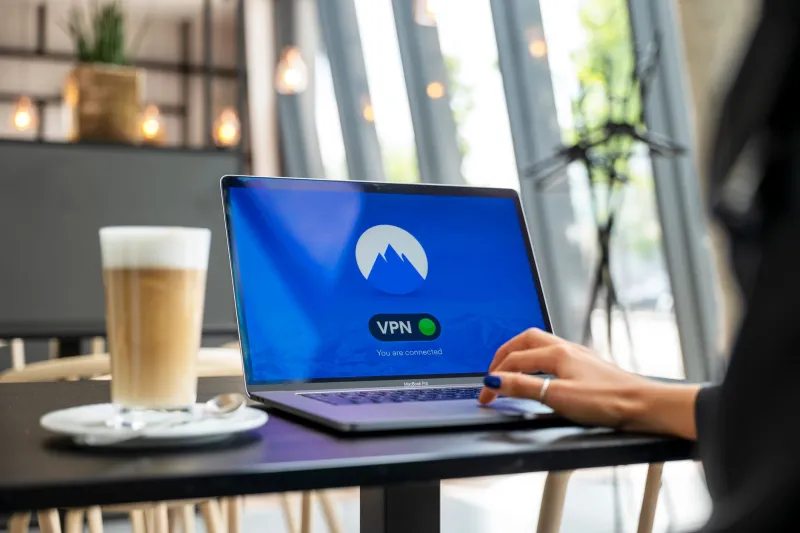
The encrypted messaging layer came naturally. When your business model depends on exclusivity, you protect the channel. Signal groups replaced email chains. Telegram channels replaced public Twitter feeds. The community became the moat.
Case Study: The Beat Economy and the Rise of Private Markets
One of the clearest examples of underground economics in action is the beat-selling market. Producers who'd spent years posting on public forums eventually migrated to private buyer networks — curated communities where serious artists paid premium prices for exclusive instrumentals without the noise of open marketplaces.
The public platforms (BeatStars, Airbit) handled volume. The private networks handled value. A beat that might sell for $200 on a public marketplace could command $2,000 or more in a vetted private community where the buyer knew the producer's full catalog and trusted the quality.
This mirrors how luxury markets work in traditional commerce — scarcity, access, and trust create premium pricing. The underground didn't invent this. It just applied it to MP3 files and WAV exports.
What the Labels Missed (And Still Miss)
The music industry's response to all of this has been predictably slow. Labels looked at streaming numbers and missed the private economy entirely. They chased TikTok virality while underground artists were running subscription communities generating stable monthly revenue.
The artists who thrived in these spaces shared a few key traits. They were obsessive about direct communication — never relying on a platform's algorithm to deliver their message. They understood data ownership, keeping their own email lists and community rosters rather than renting access through social media. And they treated their audience like collaborators rather than consumers.
Bandcamp became the surface-level expression of this philosophy — a platform that let artists keep the majority of revenue and communicate directly with buyers. But the deeper networks, the ones running through private Discord servers and encrypted group chats, never needed a platform at all.
The Future Is Already Here
Right now, there are artists with no Wikipedia page, no major press coverage, and no label affiliation generating six figures annually through private fan communities. Some of them have been doing it for years. They're not hidden because they failed — they're hidden because visibility was never the goal.
The underground music economy didn't emerge as a reaction to the mainstream. It emerged as an alternative to it. And increasingly, it's not the underground anymore — it's just the smarter business model.
The labels are starting to notice. But by the time the industry fully catches up, the artists who built these encrypted empires will have already moved on to whatever comes next. That's always been the point.